A FINNO UGRIC WORLD TOUR Article 5: The Kingdom of Setomaa
Written By:

Gage "Touko" Keränen
By Gage “Touko” Keränen
There’s something about Michigan’s Keweenaw Peninsula which charms the heart. Visitors and locals alike feel a deep appreciation for this place and its people– a feeling that’s tough to explain and which I’ve seldom felt anywhere else in the world… that is until now.
The very first time I felt a sense of familiarity on my Finno-Ugric journey was when I glimpsed the forested hills of Võromaa, but this feeling only intensified as I traveled deeper into Southern Estonia, to the rural Kingdom of Setomaa.
The Setos are a people living on the edge– quite literally. Their homeland lies divided, with one third in southeastern Estonia and the other two thirds in Russia. It wasn’t always this way, though.
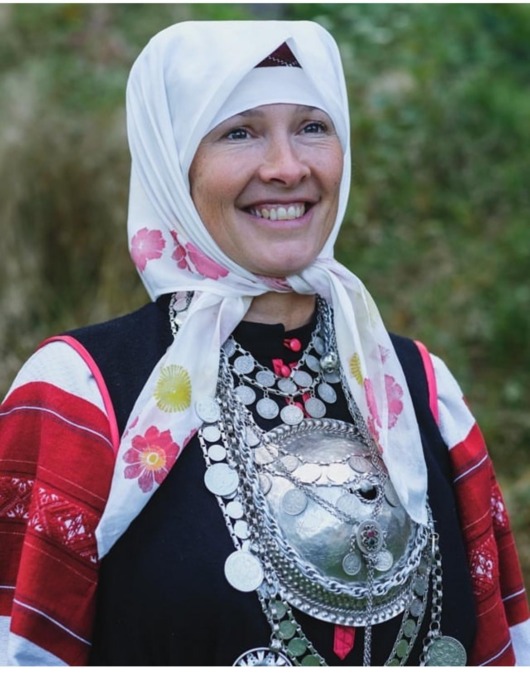
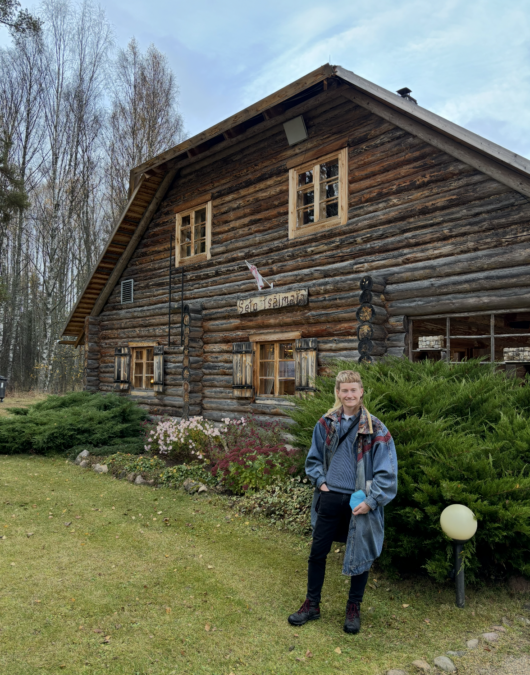
An expert in Setomaa’s geography and history, tour guide Helen Alumäe (above) explained to me how this division between Russia and Estonia came to be.
Setomaa only became part of Estonia in 1920. In that era, it was a densely populated region with very little forest and sprawling farms. Estonians who traveled to Setomaa found that last names didn’t exist and locals had no concept of private property.
When the Soviet Union collapsed decades later, a border was drawn between Russia and newly independent Estonia, leaving two thirds of Setomaa in Russia. The new border not only separated Setos from their capital city and sacred landmarks, it divided entire villages and forever changed family life.
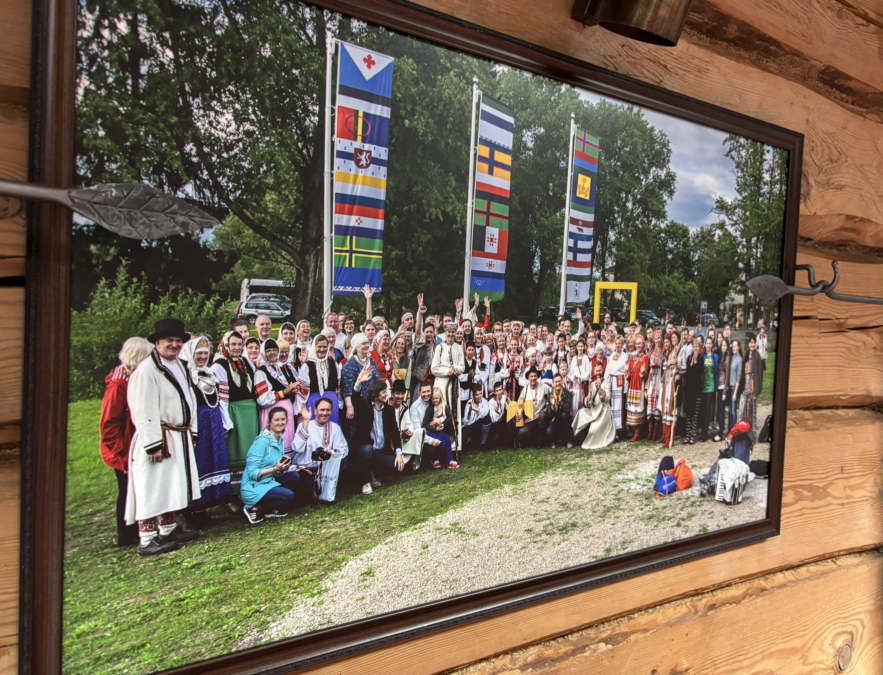
Since the division, there has been a cultural awakening and Setos declared themselves to be a unique entity, the Kingdom of Setomaa, in 1994.
The kingdom formally exists for one day each year in August, called the “Kingdom Day,” a day full of dancing, singing, handicrafts, and tasty treats. On this day, the chief herald of Setomaa is chosen and a military parade follows, in which locals march with their cars, tractors, shovels, bicycles, and lawn mowers. A very fearsome parade indeed.
At the heart of the Seto culture is their language, a Finno-Ugric language closely related to Võro. While it is unclear exactly how many people speak Seto, a 2011 census reported that approximately 12,800 people can understand it.

Seto can often be heard spoken among adults in local stores, churches, and at village festivals. There is even a Setomaa newspaper published in the language.
While this means that there is an environment for adults to use Seto, language infrastructure for children is very limited. There is no school where children can be immersed in the language beyond the local kindergarten.
“Currently, no one under the age of 20 can speak Seto fluently,” Alumäe told me.
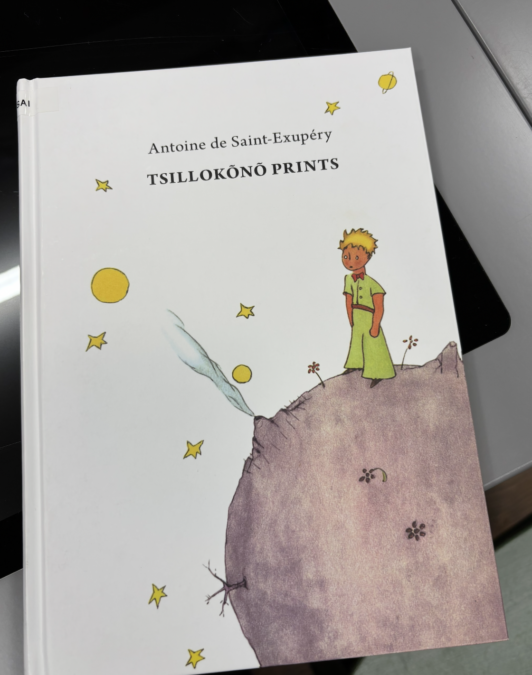
While she was proud to show me that the Seto Institute in Värska had Winnie the Pooh and The Little Prince translated into Seto, she emphasized that there is still a great need for children’s literature.
One way that children have traditionally learned the language is through music and Setomaa has a rich song tradition, going back thousands of years.
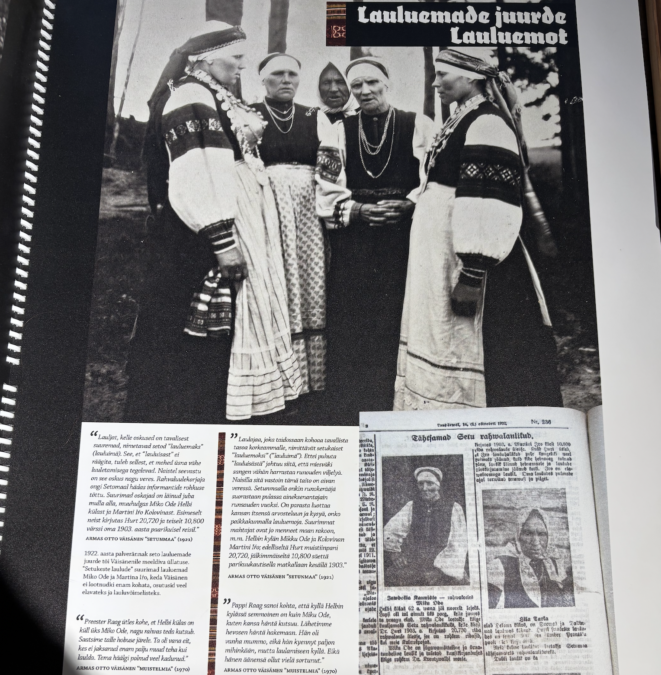
In 2009, the unique Seto singing style, known as “leelo,” was added to UNESCO’s list of intangible world heritage. In a leelo, multiple people sing, repeating after a song leader, often known as a “song mother.” A great song mother can memorize upwards of 20,000 songs and improvise new songs on the spot. These songs have been weaving an oral history of Setomaa for countless generations and there is a song for every occasion.
“A Seto wedding is like a three day musical!” Alumäe recounted the story of a wedding several years ago. “They don’t have weddings like that anymore.”
There are still some talented song leaders who can improvise a leelo and I had the delight of experiencing this myself one afternoon in Obinitsa, a town of less than 150 people which hosted 2015’s Finno-Ugric Capital of Culture.
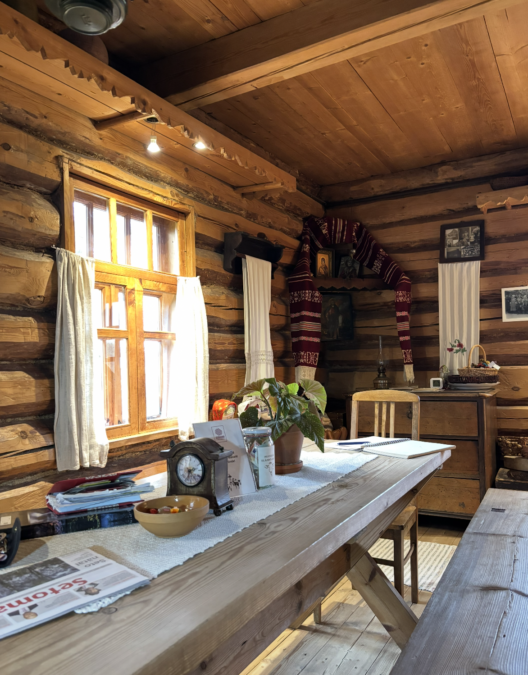
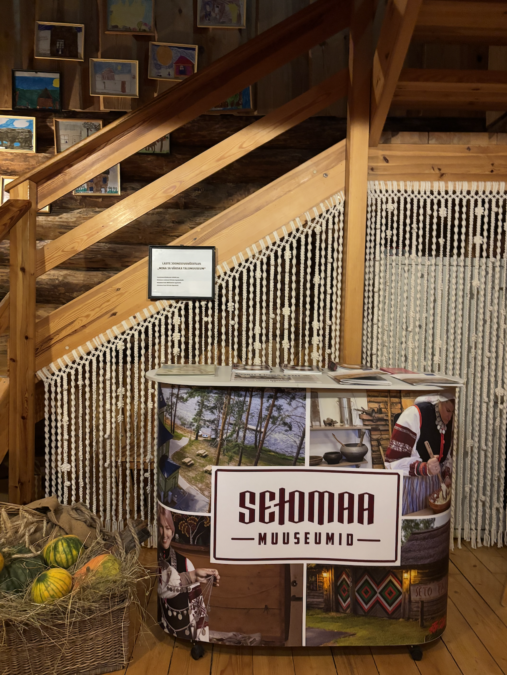
While visiting the Obinitsa Museum, we crossed paths with a local women’s handicraft group who were friends with my guide. She translated that I was from the United States as a representative of Hancock, the newly chosen Capital of Culture.
While I didn’t expect the look of surprise on their faces, I could not have predicted what would happen next.
One of them began to sing. She sang that I was visiting from Hancock and welcomed me to Setomaa. After a beat, the other women and Alumäe echoed her. The leelo continued in this fashion for what felt like several minutes.
Although I don’t speak Seto, the message needed no translation and I thanked them for such a heartfelt welcome.
I’ll surely treasure that moment for the rest of my life.
Curious to learn more about Seto language and culture? Check out the website Visit Setomaa at visitsetomaa.ee/en or find tour guide Helen Alumäe on Facebook and Instagram!
Looking for more of that Finno-Ugric flavor? Come visit Hancock for our Finno-Ugric festival in 2026! If you’d like to learn more or plan your trip, I welcome you to visit FinlandiaFoundation.org/Hancock2026. See you there! Nähdään pian!