Mirva Johnson: Every New Generation Shapes the Future of Finnish America — Now It’s Our Turn
Written By:

Nina Dahlblom
This article was originally published September 16, 2026, on Finnish in America: https://finnishinamerica.substack.com/p/mirva-johnson-every-new-generation?r=kq8hy&utm_campaign=post-expanded-share&utm_medium=web
I had the opportunity to chat with 34-year-old folklore researcher Mirva Johnson, whose work lies at the intersection of language, cultural heritage, and community life. She holds a PhD in folklore from the University of Wisconsin–Madison.
With Finlandia Foundation National, Johnson works on documenting the oral history and stories of Finnish Americans. Johnson was also one of the founding members of the Young Leaders Board (YLB) in 2021.
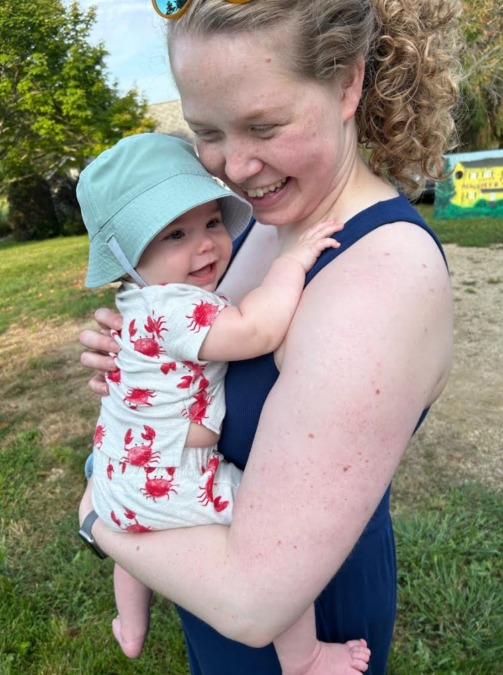
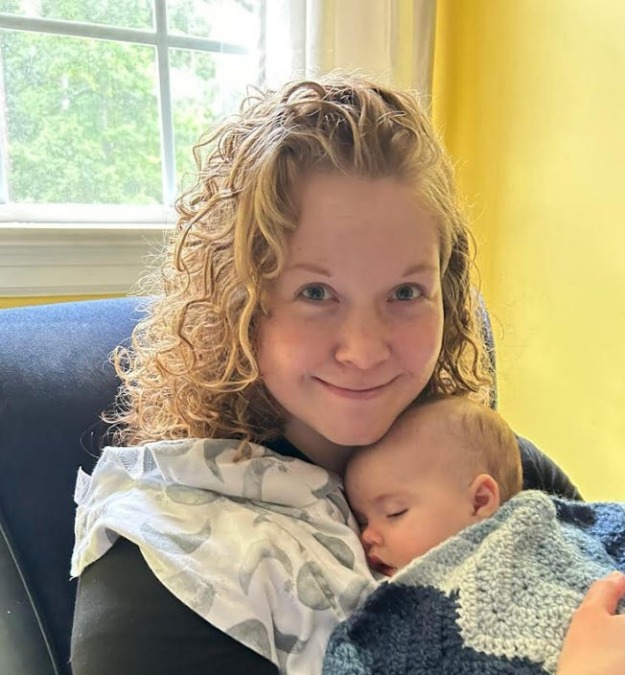
The timeframe of our interview is politely dictated by Johnson’s little, barely six-month-old son Olli, who, according to his mother, is quite “cute.” “Cute and energetic.”
The choice of name for her firstborn son says a lot about Johnson’s Finnish American values.
“We wanted a Finnish name that would be easy to pronounce and work in a bilingual everyday life in both countries. Olli Bengt Thompson. Olli’s second first name comes from his Swedish-speaking grandfather Bengt, who is from Oulu.”
The last name comes from his father, a software developer who grew up in Mississippi and Alabama and whom Johnson met while they were both at university in Virginia, north of Washington, D.C.
Olli’s full name has certain charisma to it, I have to admit. I look forward to hearing more about Olli in the future. Who knows if I get to interview him later in life to the Finnish American Reporter as one of the future Young Leader Board members.
When we talk about young people and preserving cultural heritage, having a child makes the subject even more important. The same is true for Mirva Johnson.
“My mother taught diplomats’ children to speak Finnish, but sometimes I feel a little sad that I didn’t have a Finnish language school when I was growing up.”
Johnson did, of course, learn Finnish at home and had the opportunity to focus particularly on her Finnish language skills during her graduate studies.
She also taught Finnish to university students as a teaching assistant. Through Finnish National Agency for Education (Opetushallitus) summer courses, she studied how Finnish is taught to Finnish speaking Finns.
“There were courses at four different levels in Oulu, Helsinki, Turku, and Vaasa. These courses helped me a lot.”
Many Spanish speaking students can study their own minority language, but it is less common to have the opportunity to study a minority language like Finnish in the US. For this reason, Johnson felt it was meaningful to support students in developing their Finnish language skills.
In the relatively small groups of University of Wisconsin–Madison, some of the students had spoken Finnish at home but had not previously tried to use it themselves. Others were interested in the language from a linguistic perspective or because of an interest in foreign policy.
“I also taught at a community school in Virginia once a week.”
The Finnish Community of Oulu, WI, Led to Her Dissertation
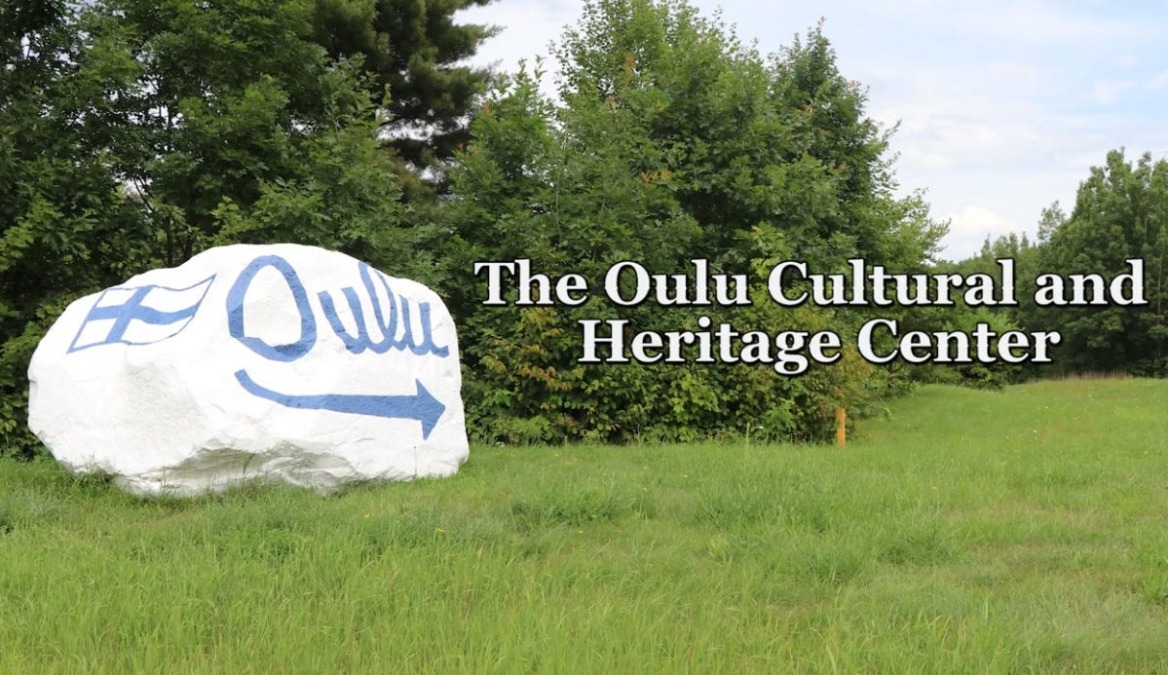
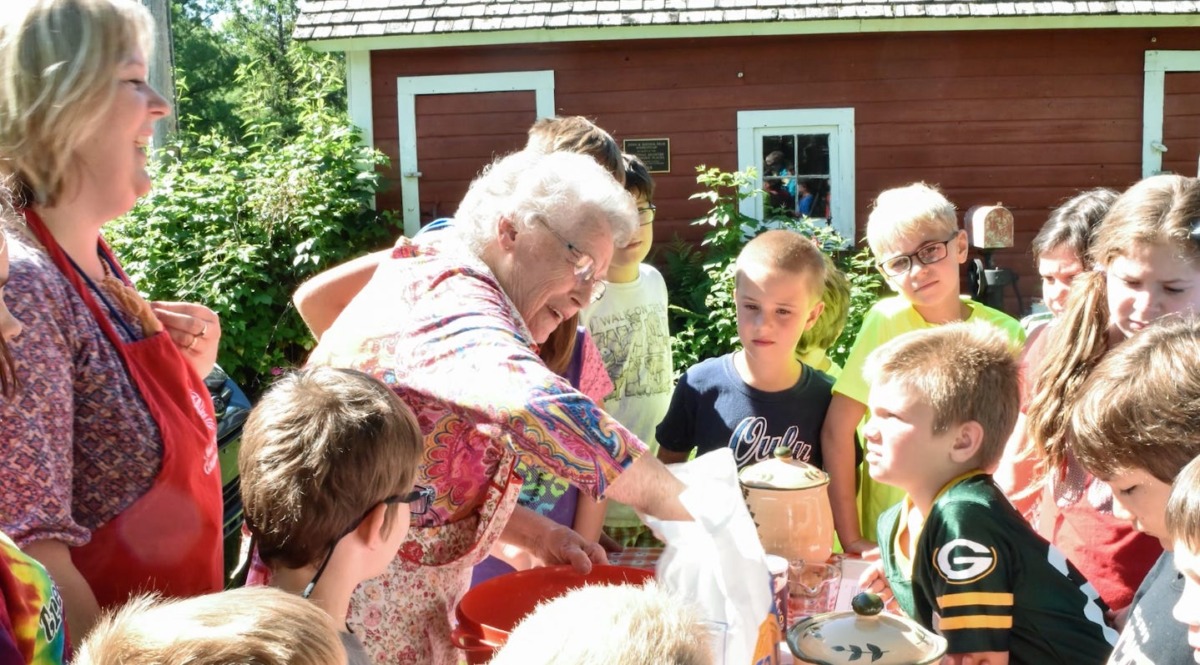
Mirva Johnson was contacted by a professor who wanted to conduct an interview project on the history and language of Northern Wisconsin. A small Oulu community in Wisconsin became the focus.
“What made Oulu an interesting research subject was that most of the members of the community had never been to Finland. It was interesting how their language felt the same as mine. The words could of course be different from mine, but the way they spoke their Finnish sounded like me.”
Johnson went on to write her dissertation on the Finnish community of Oulu. The dissertation also included a documentary film about the Finnish community of Oulu.
Mirva Johnson worked in Turku in 2021–2022 with support from Fulbright and American Scandinavian Fellowship grants. In Turku, she used the expertise to help develop a machine-learning model.
“Based on speech, the model can tell the speaker’s background. In the 1970s and 1980s, you could still hear where Finnish Americans’ roots were, for example in Ostrobothnia or Turku. These nuances can still often be detected.”
In Turku, Johnson also had the opportunity, alongside rewarding work, to visit different parts of Finland, including Hamina.
Her grandmother is a Karelian evacuee who still has a house on Haaralantie in Hamina.
“We often went there when I was a child, and my mother’s aunt lived there. I’m really looking forward to Olli getting to visit my godparents in Hamina next summer.”
Johnson has stayed actively in touch with her godmother by email.
She is excited that Olli, whom she wants to raise bilingual, will have a connection to his Finnish roots and the Finnish language.
A Future Dream of Life in Finland
Mirva Johnson says that when she lived in Turku, Finland felt like home.
“I have always felt more Finnish than American. Maybe because my family is there and I was raised surrounded by Finnish traditions. It is familiar to me.”
“I would like my family to move to Finland within five years. We will probably settle in Turku.”
Johnson praises the Turku way of life – the balance between work and free time as well as being close to nature. She also appreciates the idea that people share the good things in society more evenly.
“Of course, there are challenges everywhere, but I would like to try it and give Olli the opportunity.”
Johnson has also thought that her own experience could be useful in Finland as well. She finds the academic life in Turku vibrant, with the Migration Institute and other strong institutions.
“My background could also be useful for people who speak Finnish as a second language.”
She is interested in developing effective ways of learning and developing practices that improve people’s lives.
“I would love to help find the best ways to teach language and culture and support integration.”
Collecting Oral History
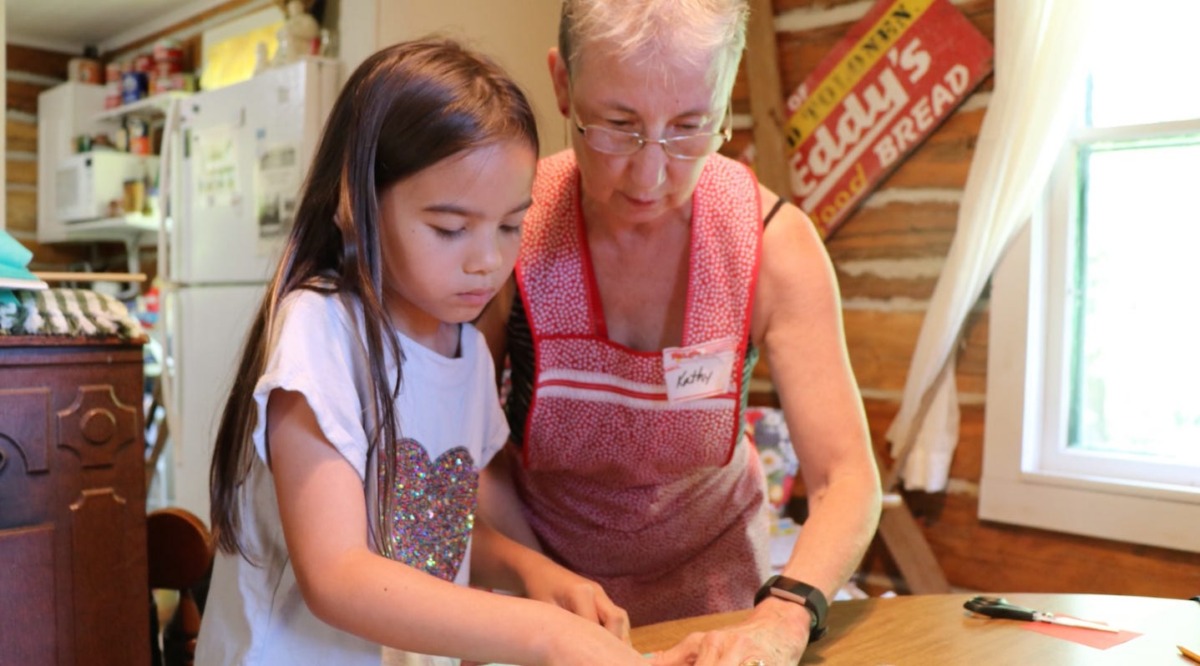
For now, Mirva Johnson is passionately working on Finlandia Foundation National’s Oral History project in the United States. The goal is to collect the stories of Finnish Americans aged 60 and older and meet people in Finnish American communities across the country.
“This is particularly rewarding for someone like me. I am so excited! It is wonderful to be able to collect the stories of Finnish Americans.”
Johnson works hard to make the participation as positive experience as possible for everyone.
“This is of course a shared project for the entire Finnish American community, not just my project. I welcome everyone to take part in something valuable for the current and future Finnish American generations!”
Johnson says anyone can join and she welcomes all opportunities to record the stories. The clear instructions on how to participate in the project will soon be available on the Finlandia Foundation National’s official website.
The YLB is a Way to Build the Finnish American Future Today
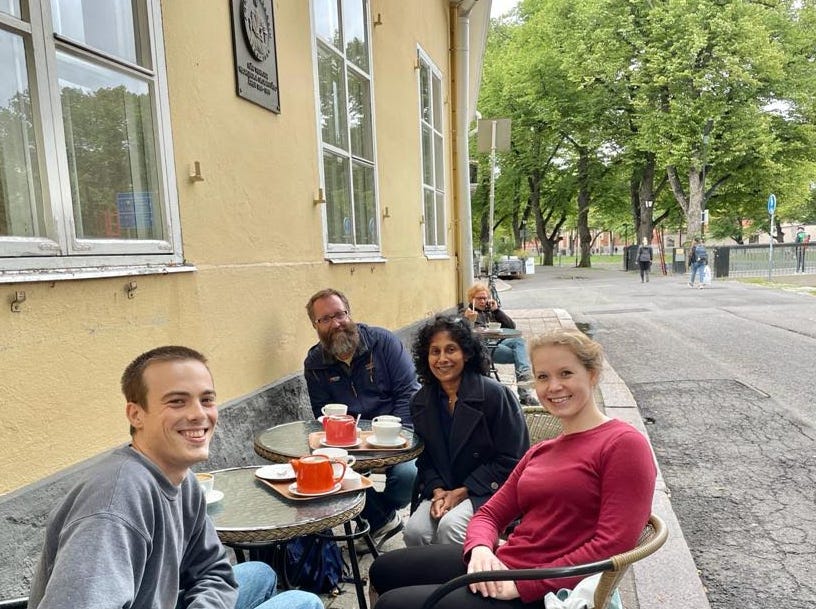
At the same time as Mirva Johnson was developing the machine-learning model in Turku, she became involved in creating the Young Leaders Board with a group of young people.
Johnson and the other young people began building their own connection to Finland and Finnishness — through one another.
“We were young Finnish Americans with different backgrounds, and each of us had our own kind of Finnish heritage. The Young Leaders Board connection gave us the opportunity to form our own kind of connection to Finland on our own terms outside our own families.”
“We realized Finnishness is a strong bond between us. We had a very particular willingness to help each other. Together, we felt we created our own kind of heritage in the present day. It felt exciting.”
YLB became a platform for events such as webinars and films watched together virtually. Johnson had an opportunity to talk about Oulu and Finnish filmmaker Aki Kaurismäki on webinars.
Johnson thinks it is important that YLB also offers activities for young people whose interest in Finland is based on professional interests.
Finnish Culture leaves a mark to anyone
When talking to Mirva Johnson it becomes obvious that the connection and experience of Finnishness can be equally strong in its own way also for people that are not Finnish. It brings people together even more broadly.
“We at YLB experienced Finnishness as something that also makes it possible for non-Finnish people to join. We can have a very personal and deep experience of Finland even if we are not Finnish.”
In her view, an authentic connection to Finland does not require citizenship, generations of heritage, or an ethnic background. It can be based on scientific, commercial, or artistic collaboration today.
“This could be the key to attracting top talent to Finland. Both young Finnish American professionals and other friends of Finland.”
Johnson has noticed this ethos has also been strongly present in the Fulbright Alumni group. Most Fulbright alumni involvement has been on the U.S. side through Finlandia Foundation National and at FinnFest.
A Message to All Young Finnish Americans
As a folklorist, Mirva Johnson knows that culture and traditions can fade.
“If the connection disappears, culture can disappear. This has happened all around America, among Indigenous peoples and minority communities. It is valuable for us to maintain national traditions and minority languages. They connect people in a special way.”
Johnson also emphasizes that The Young Leaders Board wants to build a network that can support local chapters in their work with young people.
Johnson admits that having a child has further emphasized the need to build a connection to language and culture.
“At Finlandia Foundation events, children and young parents are not often a typical sight. I believe young parents might be interested, for example, in how to raise children bilingually or what Finnish parenting is like. It is essential that Finnishness is different at different stages of life and that everyone belongs.”
Mirva’s Finland
What Finnish thing would you bring to the United States?
Aside from Finnish design in kitchenware and fabrics in general, the astiankuivauskaappi.
What is the most Finnish thing about you?
My name 🙂 but also I’m generally quieter and more reserved. I tend to refrain from speaking up until I feel like I’m actually contributing to a group discussion.
What Finnish tradition or element has been passed down through your family?
Love of Finnish language is a big one. My grandmother was known for holding on most strongly to her Karelian dialect out of all her family members and my mom devoted much of her adult life to teaching Finnish in the US.
My dad pursued graduate school to improve his Finnish after he moved to Finland on his GI bill, earning a masters degree there and meeting my mom. And here I am, interested in studying the Finnish of American heritage speakers and continuing to learn myself and pass love of Finnish language on to others.
What fascinates you about Finland today?
The combination of successful innovation and staying on the cutting edge of different fields, while also still having a prevalent mentality of humility, surprise at being noticed, and surprise that people are interested in Finland and want to learn the language. That the seemingly opposing qualities are prevalent is really interesting to me.
What Finnish food is funny from an American perspective?
Makaronilaatikko — I have only really gotten people to understand it when I describe it as similar to hamburger helper, but that’s just not it at all.
What is your favorite Finnish word?
For sounds, I like mörkö. For meaning I like vieras, can be translated as both stranger and guest and I think gets a bit at the Finnish hospitality mentality.
Thanks for reading! Subscribe for free to receive new posts and support Nina’s work.