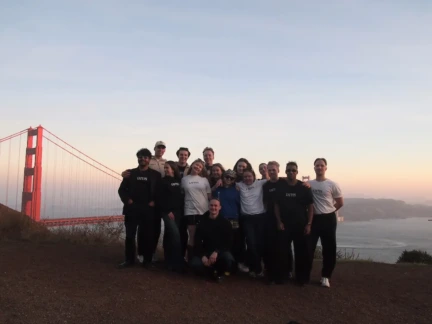
Finlandia Foundation Grant Supports LUTES: Innovation Journey from Finland to San Francisco 2025
Written By:

Minea Herwitz
Written by LUT Entrepreneurship Society
Jan 5, 2026
Editor’s note: In 2025, Finlandia Foundation National proudly supported this project through a grant aligned with its core value of Innovation & Forward Thinking (Innovaatio & Kaukokatseisuus | Innovation & Framåtanda). This investment reflects a commitment to fostering bold ideas, international exchange, and the kind of forward-looking mindset that continues to shape Finland’s global impact.
Preparations and Objectives
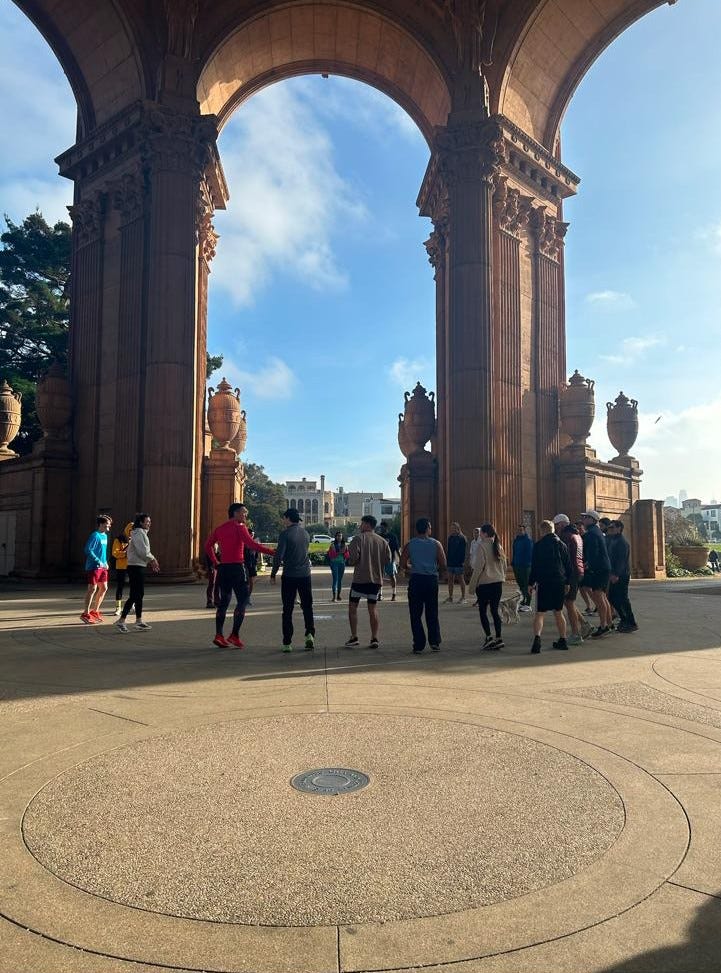
LUT Entrepreneurship Society organized an approximately two-week long international learning and knowledge-transfer project to the sunny San Francisco and Silicon Valley area at the turn of November and December. Preparations for the project began well in advance in early October, when participants were given the opportunity to reach out to startups, companies, and experts from various fields they wished to meet.
Naturally, the main objective of the project was to understand the factors that make the region’s startup ecosystem the best in the world. Equally important was applying the insights gained to the Finnish startup ecosystem, within LUTES, as well as advancing the participants’ personal goals.
San Francisco, Silicon Valley & Innovation
The San Francisco region is globally known as a large and exceptionally innovative economic area, where technological innovation, extensive and active investor networks, strong opportunities for networking, and an exceptionally high work ethic create excellent conditions for innovative and growth-oriented companies. The regional ecosystem particularly supports rapid experimentation, risk-taking, and international scalability.
This was evident above all in people’s energy, open and creative ways of thinking, and a strong willingness to network across industries and roles. Conversations emerged naturally, and ideas were shared openly even with strangers. A clear example of this culture can be seen in the many Founders Houses, where young entrepreneurs live and work together, building their companies and visions through constant interaction and peer support.
Key Takeaways & Meetings
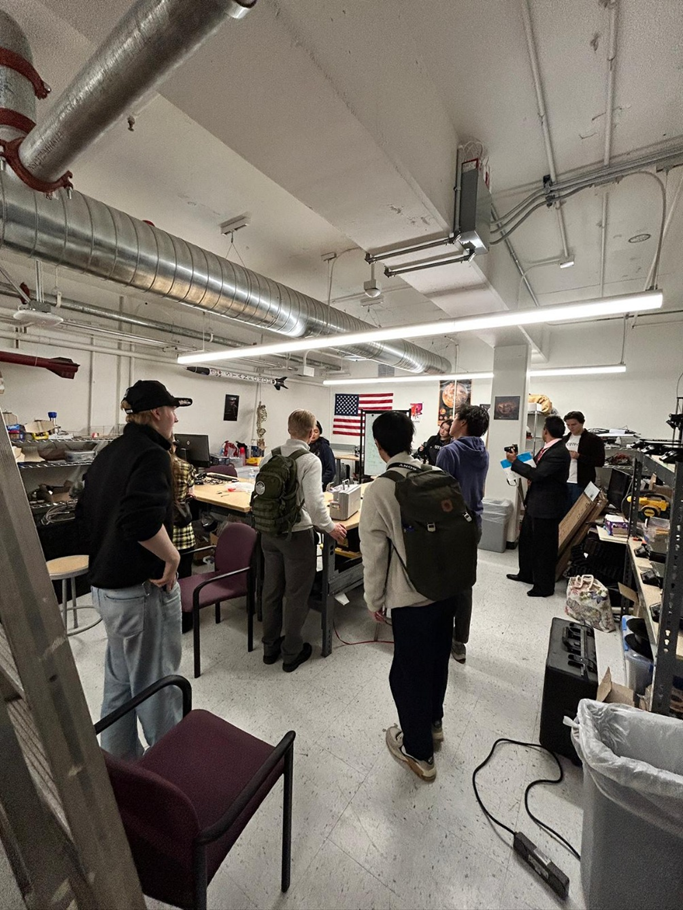
During the project, we had approximately 30 meetings with various entrepreneurs, companies, and experts from different fields. Personally, I found the trip extremely valuable, and the amount of knowledge gained across different areas in less than two weeks was substantial. The learnings ranged from company formation and team building to product development, marketing, the importance of venture capital firms, and always to the significance of social skills.
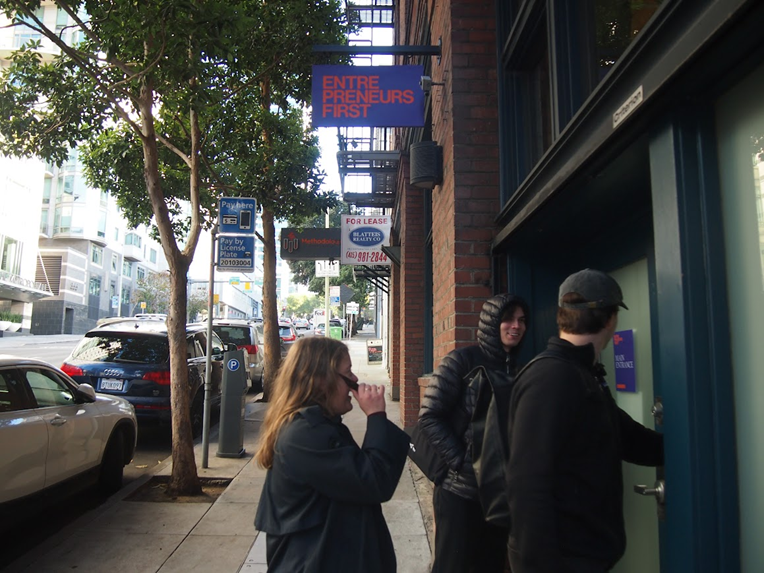
Passion & Expertise
“Passion gets you started, skill gets you forward.”
Every person we met radiated strong passion for what they were doing, along with a genuine desire to change the world. In many discussions, the idea repeatedly emerged that passion and belief in one’s own work are not merely positive traits, but often essential prerequisites for building a growth-oriented company. Amid uncertainty, setbacks, and long working days, intrinsic motivation appeared to be the key factor that kept entrepreneurs moving forward.
Many of the entrepreneurs we met had been interested in technology from a very young age. In several cases, hands-on work and personal projects had developed their skills in ways that took them further than formal academic education alone. This experience-based understanding of problems and solutions was clearly reflected in their thinking and execution.
A strong example of this is Parahelp (Y Combinator startup), founded by Mads Liechti and Anker Ryhl. They began coding already in lower secondary school purely out of curiosity, building applications for a wide range of use cases. This early passion and long-term hands-on experience laid the foundation for a company that develops an AI-powered customer support automation solution for software companies. In its most recent Series A funding round, Parahelp raised approximately 18 million dollars, reflecting both the team’s capabilities and strong belief in the company’s vision.
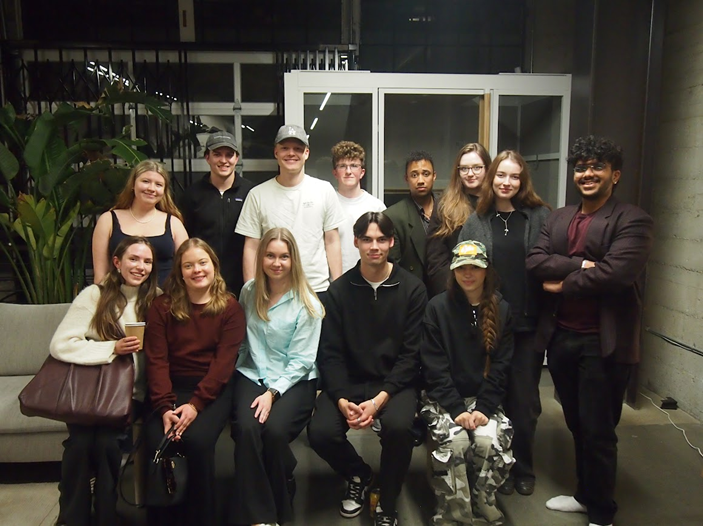
Product Development
“A product is never finished, only iterated.”
In discussions related to product development, the importance of rapid experimentation and continuous iteration was emphasized above all. Many entrepreneurs highlighted that a perfect product should never be built behind closed doors, but instead iterated as early as possible together with real users.
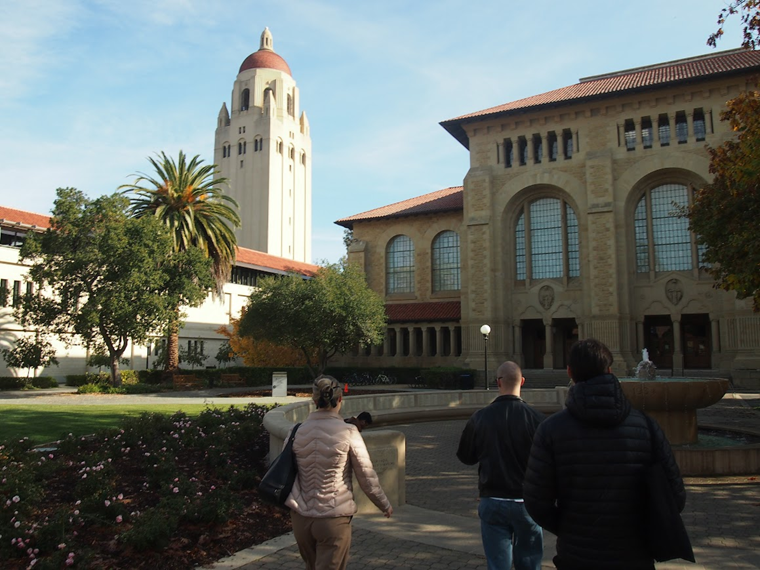
A former Stanford professor of business, Timo Rapakko, illustrated this by sharing an example of a startup that developed a digital booking system for physiotherapy services. Although the product was technically sound and well executed, the company ultimately failed because physiotherapists did not perceive the solution as necessary. They found phone-based appointment booking to be a simpler and more personal alternative. In San Francisco, the mindset of early stage startups was clear: a product should solve one concrete problem as well as possible. Many successful startups had begun with a very narrow use case, a niche, and expanded only later.

Failures are also seen as a much more natural part of the development process than in Finland. An unsuccessful experiment was not considered a waste of time, but rather a valuable lesson for the next product or venture.

Marketing Matters
“Good products are built, but great companies are marketed.”
Especially when meeting Finnish entrepreneurs and experts, it became clear that marketing and sales are still, even today, clear weaknesses for many Finnish startups. Technical expertise is often strong, but commercial thinking and a systematic understanding of the customer tend to remain secondary.
The most important learnings related to markets during the trip were identifying the right market niche, truly understanding demand, and continuously iterating with customers. Together, these factors enable the development of products that are genuinely built for real, demand-driven markets. One of the most common reasons startups fail is building a product too far without sufficient validation from real users.
In the United States, marketing is viewed as a core and strategic part of the business from a very early stage. U.S. companies spend on average around 10% of their revenue on marketing, whereas the corresponding figure in Finland is typically around 3–5%. This difference reflects a broader cultural approach to markets, demand creation, and the pursuit of growth.
Financing Markets
“Sometimes there may be too much VC money.”
As California is the fourth largest economy in the world, venture capital activity differs significantly from that in Finland. During our visits to numerous VC firms, the most notable differences were risk tolerance, funding culture, and naturally the sheer size of the capital markets.
Get LUT Entrepreneurship Society’s stories in your inbox
Join Medium for free to get updates from this writer.Subscribe
Remember me for faster sign in
Investors fund companies far more frequently at a very early stage, sometimes even based solely on the team and a market vision. Behind this is a mindset focused on identifying a small number of exceptionally large successes. In practice, this is reflected in larger funding rounds, faster decision-making, and higher valuations compared to Finland.
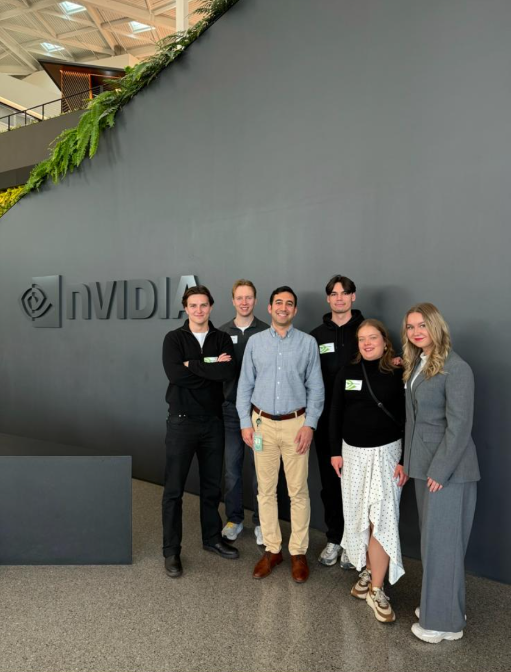
One of the most insightful visits of our trip was to South Park Commons. Its core mission is to function as a technology community for developing ideas and early-stage thinking, while also providing concrete support to entrepreneurs in the form of office space, mentoring, and pre-seed and seed funding.
The founder of South Park Commons, Ruchi Sanghvi, explained that she does not primarily make investment decisions based on an idea, product, or business plan, but instead emphasizes the personal qualities and potential of the team members above all else.
Ruchi’s five evaluation criteria are:
I. Clarity — “How sharp is an individual and how well they can express themselves?”
II. Creativity — “How can you tell or come up with stories?”
III. Depth — “How deep in the problem the person is, how excited they are about it, and how well they can teach their problem?”
IV. Charisma — “Can the individual attract talented people to work with them?”
V. Drive — “How strong are your determination and stamina?”
Networking
Already on our flight to San Francisco, we met a 16-year-old programmer from Stockholm. He had dropped out of high school and was traveling to San Francisco to validate his startup idea.
In San Francisco, social culture and networking are significantly more relaxed and natural than in Finland, and entrepreneurship is visible in almost every aspect of life, both in professional and social settings. People were willing to openly share their work and ideas in nearly any situation, and in return showed genuine interest in our own backgrounds and thoughts.

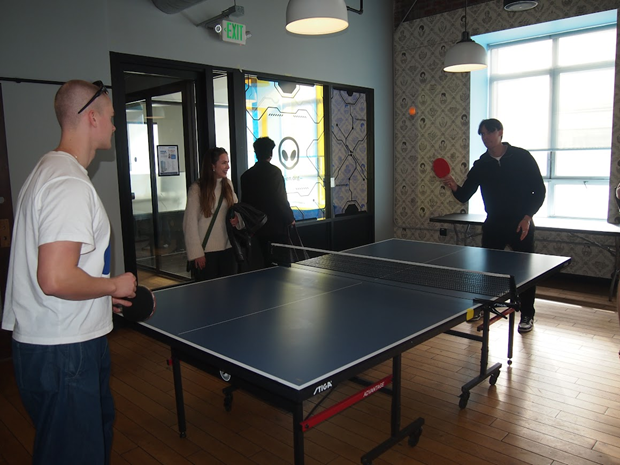
Networking in San Francisco often takes place through various events, gatherings, and informal social occasions, which are organized on a daily basis. As a result, networking becomes a natural part of everyday life rather than a separate or forced activity. It is, however, important to be selective and focus on the most relevant events to ensure that networking remains genuinely valuable.
One of the most enjoyable networking events of our trip was the Founder Thanksgiving dinner organized at Mission Dolores Manor, where we met entrepreneurs from a wide range of backgrounds. Throughout the evening, several valuable conversations took place, and we were also able to arrange concrete follow-up meetings.
Team Building and Leadership
“Choosing a co-founder is like choosing a life partner.”
One of an entrepreneur’s most important responsibilities is to build a well-functioning team that shares the company’s values, mission, and vision. While education and work experience are important criteria when selecting team members, intrinsic motivation and passion often car further than formal qualifications alone.

According to Google’s Global Head of Search Partnerships, Jani Hirvonen, good leadership is primarily about the ability to create direction and meaning in the work being done. Exceptional leaders lead by example and are able to inspire their teams around a shared goal, even amid uncertainty and rapid change. In an early-stage startup, the leader’s role is multifaceted, and company culture is largely shaped by the founders’ everyday decisions and ways of working.
Especially when choosing a co-founder, trust and alignment of values emerged as critical factors. A well-functioning founding team is able to engage in open and constructive discussions, make quick decisions, and share responsibility. Team building and strong, human-centered leadership are therefore key elements in the long-term success of a startup.
Summary
In the San Francisco region, people do not pursue entrepreneurship merely to make a living or succeed in local markets; instead, the goal is often to achieve global impact from one of the world’s largest market areas. A clear example of this mindset is Y Combinator, the world’s most well-known startup accelerator, which selects exceptionally ambitious and talented early-stage startup founders from around the world.
Technological development and innovation progress at an exceptionally rapid pace in the region, with little emphasis on looking backward. Hackathons, events, and community-driven gatherings are constantly organized to develop new ideas, experiments, and prototypes, further fueling a culture of rapid learning and experimentation.
It can be concluded that the San Francisco and Silicon Valley region is truly unique in terms of its entrepreneurial culture. Entrepreneurship is deeply integrated into everyday life and local culture, and nearly everyone seemed to have some kind of personal story related to entrepreneurship, failure, or building a company.
Ultimately, it can be stated that creating a successful company is not primarily dependent on geographical location or a founder’s personal background, but on the ability to build a genuinely functional, demand-driven product for the right markets.
Acknowledgements and Future Plans
LUTES’s future plans include, in particular, further developing our Forward accelerator based on the learnings from Stanford Launchpad, advancing the Kitchen Startup Hub, expanding venture capital activities within LUTES, strengthening Silicon Valley–style entrepreneurial culture and operating practices in Finland, and exploring new opportunities as well as building collaborations to support LUTES’s expertise and growth.
Thank You,
– LUTES San Francisco -Team
– Finlandia Foundation
– Säästöpankki Optia
Written by Antero Bah
Written by LUT Entrepreneurship Society
LUTES is a student-run community, inspiring and helping students towards growth entrepreneurship.🚀 www.lutes.fi https://www.instagram.com/lut_es/