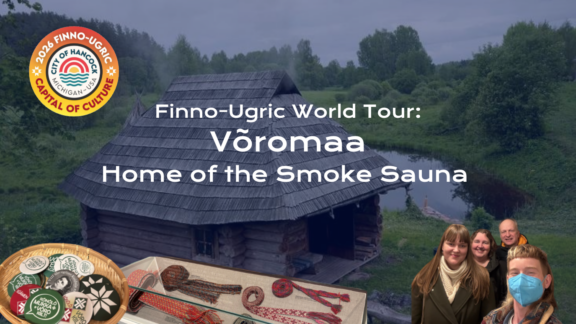
A FINNO UGRIC WORLD TOUR : Article 4 of 12 | Võromaa, Home of the Smoke Sauna
Written By:

Gage "Touko" Keränen
Written by Gage “Touko” Keränen
The moment my train crossed from Latvia into rural Estonia, I caught sight of the sun setting behind rolling forested hills, a mixture of autumn yellow and deep coniferous green. I was struck with a sudden sense that around the next turn would be my grandmother’s house, nestled deep within Michigan’s Copper Country. I never would have guessed it, but I was reminded of home long before my journey landed me in Finland.
In South Estonia, I found myself greeted by very familiar landscapes, buildings, and even familiar weeds!
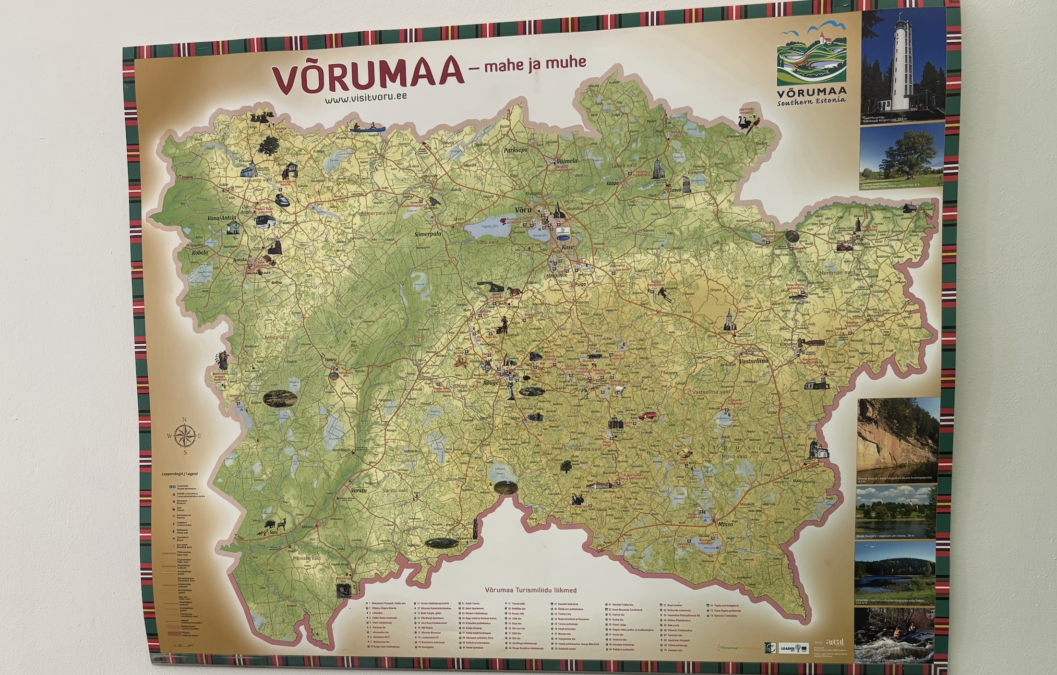
What drew me to this land was the South Estonian languages, the largest of which are Seto and Võro. Both are Finno-Ugric languages and close cousins to Finnish and Estonian. To learn more about these languages and the people who speak them, I traveled to the home of the Võro language, a region known as Võromaa.
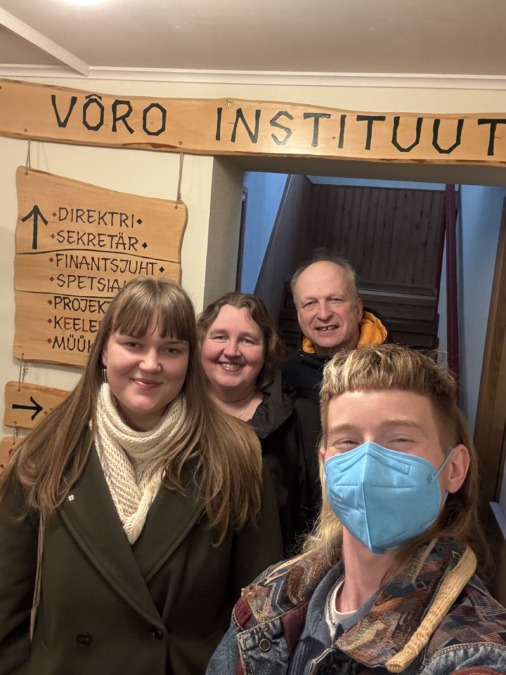
My guide was Hipp Saar, a Võro language activist and a member of the Võro Congress Council of Elders. Together we toured essential sights, which included sacred groves, the Võromaa Museum, and the Võro Language Institute, where Saar’s parents were preparing for Võro Language Week, an event full of activities for people of all ages to practice and learn Võro.
The Estonian census from 2011 indicates that there are more than 70,000 people who can speak or understand Võro. What the census does not reveal is that many of the 70,000 are above the age of 30 and are passive speakers of the language– meaning that they can understand it, but don’t speak it. For Võro people, this is a mark partially left by the Soviet occupation of Estonia, which lasted more than 50 years.
While Estonia was under the Soviet Union, the Võro language was not used in local schools and children were taught only in Estonian or Russian. Believing that bilingualism might be to the detriment of their children, a wave of Võro parents also began to speak only in Estonian at home.
By the time Estonia emerged as an independent nation in 1991, multiple generations of Võro people had grown up speaking Estonian as the language of everyday life.
“Many parents and even grandparents don’t know Võro that well themselves to teach it at home or they don’t see it important enough to speak it with young people,” Saar explained.
To define what it means to be Võro, Saar looks to Võromaa’s neighbors in Setomaa, the Seto people, for inspiration.
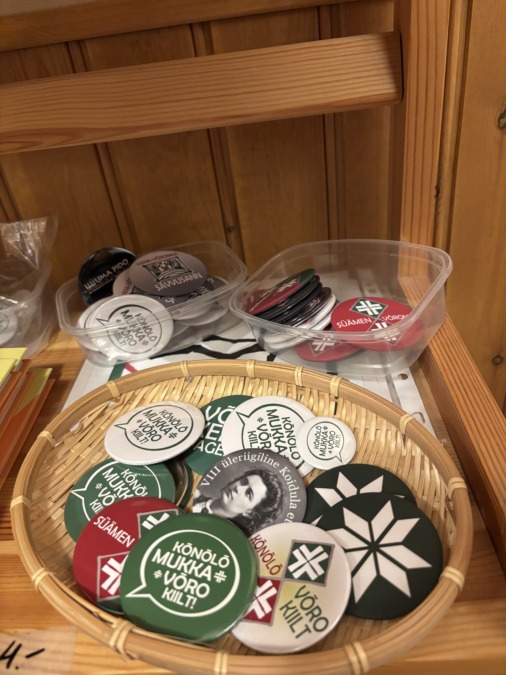
“Seto people are more outgoing by their visual culture, that is well known in Estonia,” Saar said. “I think that inspired me to do my social media work in a different way and connect Võro activism also with visual aspects – traditional clothing, attributes and folk music.”
For young people to learn the language, Saar believes that there must be a strong motivation. Võro identity –the combination of language and culture– provides a strong motivator.
One of the most ancient traditions found in Võromaa is the smoke sauna, or “savvusann” in Võro. These saunas are large, communal spaces meant for bathing and healing.
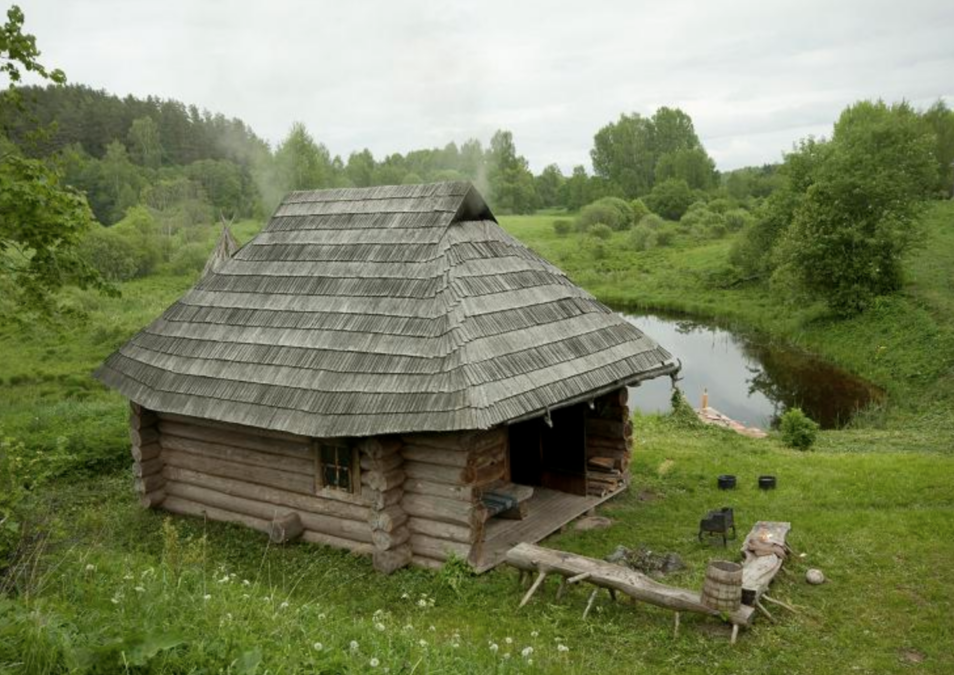
PHOTO SOURCED FROM: https://savvusann.ee/smoke-sauna/smoke-sauna-and-customs/
Also famous is the local sauna smoked meats, which are in the sauna for 2-3 days before these delicacies are ready to eat. It is for this very tradition that Võromaa holds a UNESCO world heritage award for intangible heritage.
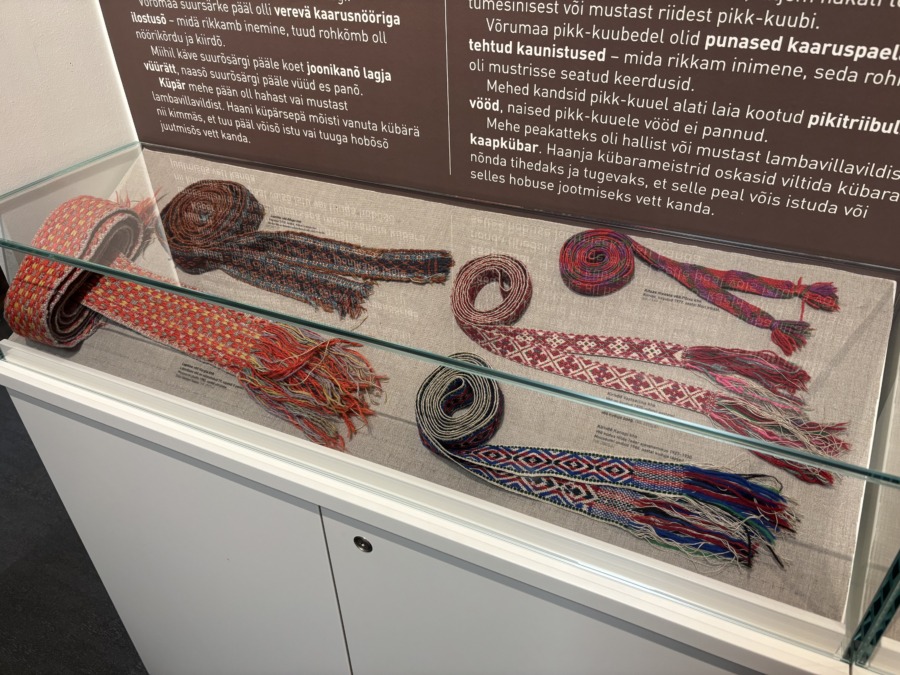
Beyond sauna culture, each part of Võromaa has a unique traditional costume, which includes vibrant, patterned belts. Made from linen and wool, belts varied by the gender of the wearer and could be worn over a long coat (for men) or with a striped skirt (for women).
A rainbow of such regional clothes can be witnessed every three to four years at Uma Pido, the local song festival known as a “global reunion of Võro people,” which draws over 8,000 attendees. With the exception of the Estonian national anthem, all the songs at Uma Pido are sung in Võro.
Currently, the Estonian government does not recognize South Estonian languages as such, but as dialects of Estonian. Presently, this limits the amount of state support which the languages can receive, but change may be in the air.
In March 2026, Saar herself was given the Estonian People’s Favorite Award for her podcast “Poodi Man.” The podcast focuses on Võro language and culture, and is available on Spotify.
A great win for the Võro language, this award could indicate future changes to come for the legal status of the language in Estonia.
People like Saar, who boldly speak their languages and bring less visible cultures to the forefront, are slowly but surely moving the needle to make sure that these languages have a place in the future. As it is said in Võro, “aigu om,” there is time!
Curious to learn more about Võro language and culture? Check out the Võro Institute at wi.ee or visit the Võromaa Museum!
I hope that my stories in the months to come will ring true with fascinating revelations, echoes of home, and inspire you to visit Hancock for the yearlong Finno-Ugric festival in 2026. If you’d like to learn more or plan your trip, I welcome you to visit FinlandiaFoundation.org/Hancock2026. See you there! Nähdään pian!
Here is a popular song from karaoke night in Võromaa!