
Spring Cleaning and Finnish History: What to Donate to the Archive
Written By:

Finlandia Foundation
By J. Chopp, Archivist, Finnish American Heritage Center Historical Archive
Spring is just around the corner and with it comes the annual urge to do some spring cleaning. People root through attics, basements, closets, offices, sheds, and barns and when they come across something even vaguely Finnish, I often get an email or phone call.
A common question that soon follows is “What kind of stuff do you take by donation?” That’s a fantastic question, and one that saves time and resources when asked ahead of time instead of leaving a box outside the archive with no indication where it came from or to whom it belonged. Part of the value of archives is knowing details about where materials came from, who created it, and who used it and when. It’s not a deal breaker if you don’t know that information, but it’s rather helpful.
So, if you have something you think might be a good fit for the FAHC Archive, here are a few points to keep in mind:
- If you don’t know what something is, please ask. We can help translate titles and handwriting to let you know what you have.
- Primary sources are priority! These are materials that are original, unique, and first-hand accounts. Think photographs, letters, hand-written ledger books with church or organization minutes or membership lists, diaries, audio or video recordings, and government records like death certificates or naturalization papers.
- Send a list and/or photos of the items. It’s easier to determine if something will be a good fit for our archive if I can compare the title, author, or creator information to what is already in our catalog.
- Objects are important too. Homemade toys, tools, musical instruments, art, and textiles can also define traditions and trends in Finnish-American life.
- We can’t accept everything. Sometimes we already have the books or items people want to donate. We already have copper coffee kettles in eight different sizes. Framed portrait photos, like the oval ones with the curved glass are large and hard to store safely. If we decline a donation, it is not personal. It’s simply a pragmatic question of space and resources. I will try my best to offer alternative organizations that might be a better fit.
- We don’t need more Finnish parlor Bibles. While the leather covers, filigreed metal clasps, and illustrations are beautiful, most were mass produced around 1900. So even though they are more than a century old, they’re not scarce or unique. (Though if there is family history recorded in it, we’d preserve a copy of those pages in our genealogy files.)
Ultimately, I am blown away, and immensely thankful for all of the people who reach out when trying to determine what to do with materials. Without proactive care, much history and heritage can be lost to the dumpster or burn barrel. If you have questions or a potential donation for the archive, please contact the archivist by email at joanna.chopp@finlandiafoundation.org or by phone at 906-487-7347.
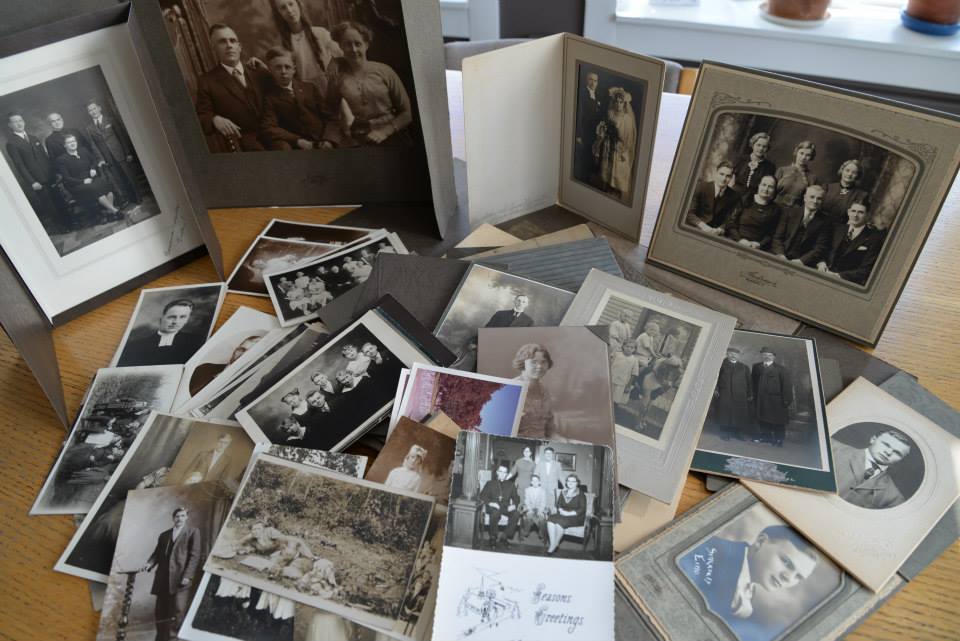
Photos like these from the collection of Suomi Synod Pastor Amos Marin have historical value, even if some of the subjects are unidentified. Old photos show us details about fashion trends, photographic techniques, and what people felt was important enough to commemorate.
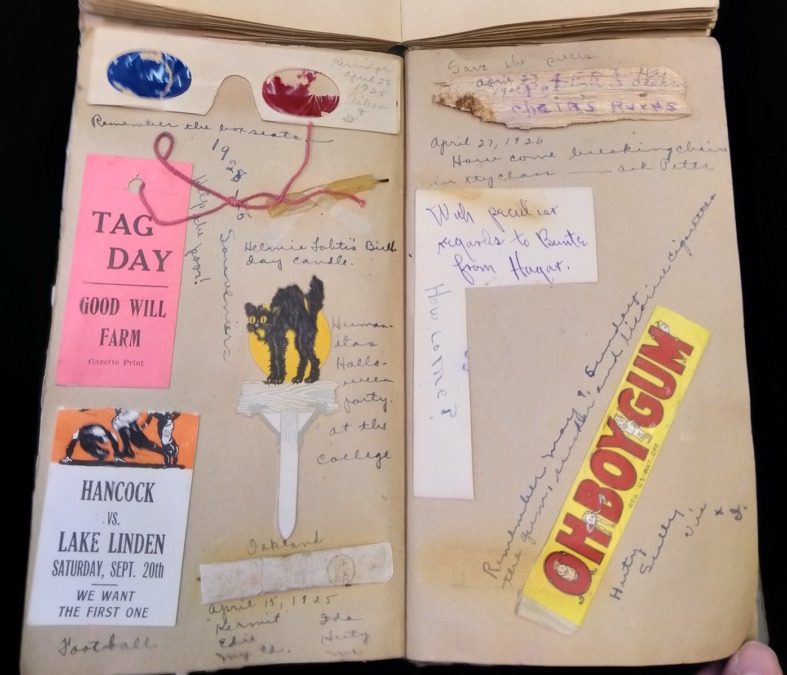
Scrapbooks like this one created by a Suomi College student shed light on what students did for fun, preserves information about advertising, and gives context to places and events.
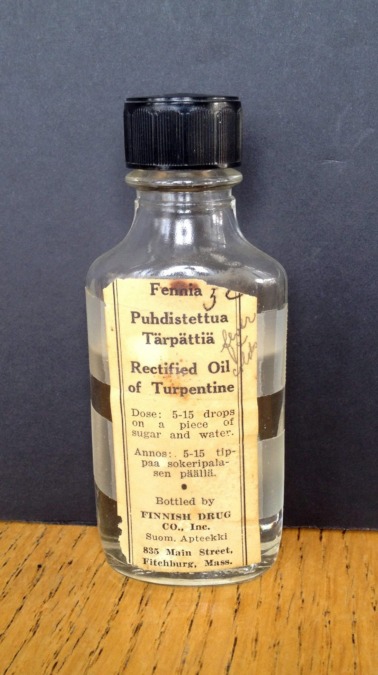
Objects like this medicine bottle give insight into local Finnish American businesses, as well as historical remedies in these communities.
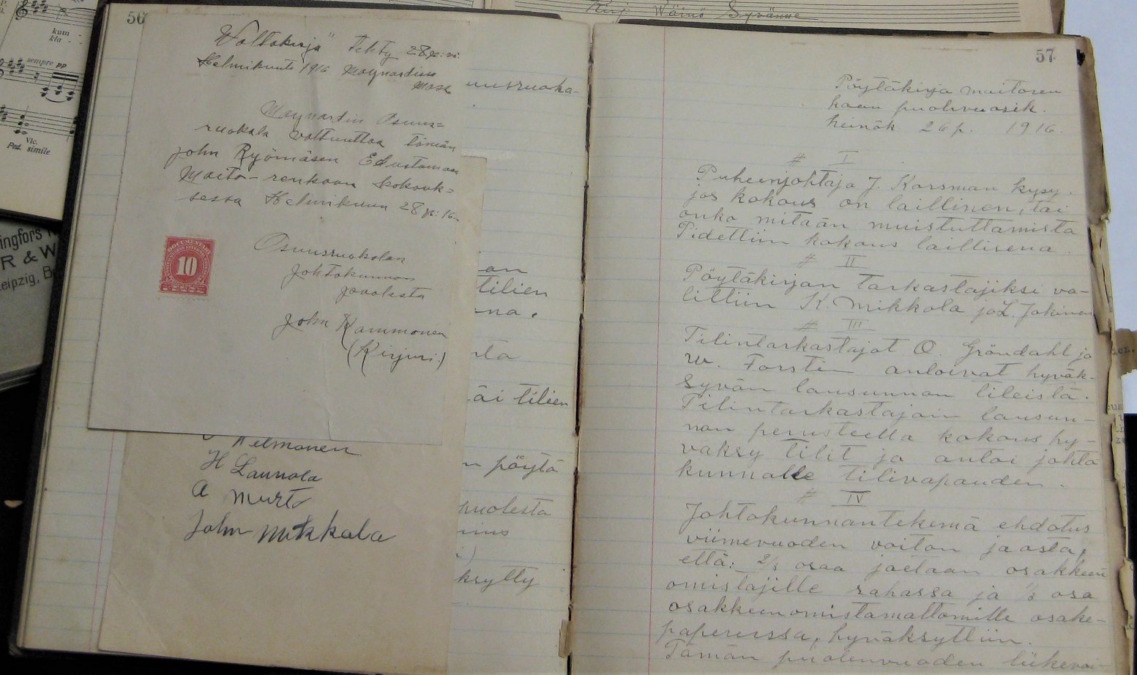
This ledger of handwritten meeting minutes preserves the history of the Maynard Milk Association from Maynard, MA. Organizations, businesses, and churches all kept minutes like this that may be the only records of their existence.